At the February 18, 2026 Vermont Fish and Wildlife Board’s monthly meeting, a petition was presented by the Vermont Bowhunters Association requesting black bear rule changes that would allow bear baiting by hunters during the Fall season. Another petition was submitted that would establish a youth and novice archery season. The public petitions were part of a larger package of recommendations by the Vermont Fish and Wildlife Department (VFW) presented to the Board related to black bear hunting. VFW biologists and Department officials are asking the Board to approve rules that would extend the bear season seven days, increase the bag limit in some areas, allow the revocation of bear dog permits, explore reciprocity non-resident bear hunting rules and prohibit the intentional killing of sows with cubs which is still legal in Vermont. A board vote on the petitions and VFW’s recommendations is expected this Spring.
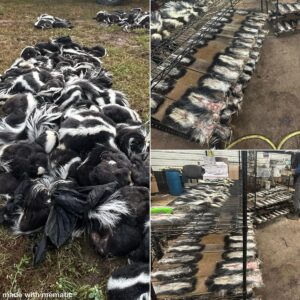
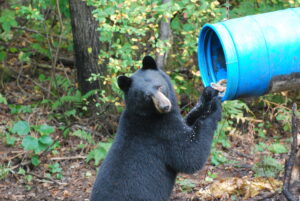
New Hampshire Bear Bait Supplier
The Fish and Wildlife Board’s 14 members have the authority to reject or amend any recommendations and have not expressed opposition to bear baiting, or any increase in bear hunting opportunities. At the February meeting, while some board members questioned the impact baiting would have on other wildlife, others expressed support saying it would bring money to local economies. When questioned by the board, VFW black bear biologist Jaclyn Comeau said there were concerns that baiting would introduce non-native foods to bears and could contribute to artificially larger litter sizes. She also stated that bait sites increase the likelihood of disease transmission and sarcoptic mange has recently been discovered in Vermont’s bear population. Sarcastic mange is spreading through the Eastern U.S. black bear population and causes intense itching, hair loss, emaciation and death. It is often spread when bears congregate in dens or at “anthropogenic food sources” such as bear baits.

When asked about the Department’s recommendation on prohibiting the killing of sows with cubs, Comeau said that the vast majority of states in the U.S. that allow black bear hunting also have prohibitions on the killing of sows with cubs. And while the majority of bear hunters recently surveyed said they would never shoot a sow with cubs, 12% were unaware of the Department’s existing recommendation not to kill sows with cubs, as the current hunting rules allow. The Board expressed hesitation in supporting the prohibition, stating that education and “trainings” were preferable to an outright ban on killing sows with cubs, also citing difficulties in enforcing the regulation. Despite an increase in such efforts to discourage the killing of sows with cubs, in recent years bears have been killed in Vermont when cubs were present, resulting in the orphaning and likely starvation or predation of the surviving cubs. Comeau stated such instances could have been prevented with a rule prohibiting the intentional killing of sows with cubs.
Vermont Wildlife Patrol supports the Vermont Fish and Wildlife Department’s proposed black bear rule changes, yet we are skeptical that the Board will vote to accept those recommendations, despite them being based in science and in accordance with the state black bear management plan. The Fish and Wildlife Board’s 14 members are governor appointed, and the majority represent the interests of hunters, anglers and trappers. We expect the board to amend the Department’s recommendations and possibly allow baiting and the continued rule allowing the killing of sows with cubs. The current board has repeatedly demonstrated an unwillingness to restrict any hunting opportunity, despite the public and even sportsman’s support for such rule changes.
The next Fish & Wildlife Board meeting where bear rule changes will be discussed is on April 1st, 2026 at the Dewey Conference Room (Far back of National Life parking lot!) 1 National Life Drive, Montpelier
Watch the February 2026 Vermont Fish & Wildlife Board meeting. (Petition for baiting @ 33:13 Black bear presentation @ 1:56:00):
Vermont Fish and Wildlife Department Recommended Changes to Bear Rules…
Vermont Bowhunters Association Petition to Allow Bear Baiting…
Additional petition to change bear hunting rules from April 1, 2026 Fish and Wildlife Board meeting…
For more information, articles and resources on coexistence with black bears:
“Mange is spread by animals having direct contact with infected animals, or through the use of common areas or objects. Minimize actions that cause bears (and other animals) to congregate. A major activity that encourages congregation of bears is supplemental feeding of wildlife, such as deer, small mammals, turkeys and other birds, which often attracts non-target species, such as bears. Supplemental feeding should be discontinued if there is evidence that bears are being attracted to the area. Even if bears look healthy, it is important to stop feeding because individuals may be infected with the mites and showing subtle or no obvious signs of disease.”
-Pennsylvania Game Commission